You don’t need a modelthat knows everything.You need one thatknows your business.
We’re a small engineering team. We fine-tune open models on your data, build the agents and voice systems that use them, and keep them running after launch.
Four things we build,and run afterwards.
Most of our work is one of these four. Each drawing is the actual system, not a metaphor for it.
Fine-tuned models
We take an open model and train it on your examples until it beats the frontier model at your task. Then it runs on hardware you pay for by the month, not by the token.
See how fine-tuning works →Agentic workflows
Agents that read a request, plan the steps, use your CRM and documents, and stop for a person before anything irreversible happens.
How we build agents →Voice systems
Dhwani is a phone agent we built and run. It speaks Hindi and English in the same sentence and answers in about three quarters of a second.
Call the demo →Applied ML
Classification, forecasting and computer vision for the jobs where a language model is the wrong tool, built on the data already in your database.
See the ML work →The case for owningyour model.
If a task runs thousands of times a day, renting a general model is the expensive way to do it. Three things change when the model is yours.
- 01
It costs less per task
A small model tuned for one job needs shorter prompts and cheaper hardware. We count training, inference and operations at your real volume before we recommend it.
- 02
It’s better at your work
Your experts have already made thousands of these decisions. Training on them teaches the model your categories, your tone and your edge cases, and we test it on new work before it ships.
- 03
Nobody else can copy it
The examples, evaluations and corrections you collect are yours. Every month of use makes the model better and the gap wider.
- Ticket arrives
- Your model classifies and drafts
- An agent reviews and sends
- The outcome trains the next version
- CallerHi, I need to move my appointment to Thursday.
- DhwaniThursday at 10:30 is open. Shall I book that for you?
- CallerYes, please.
- DhwaniDone. You will get a confirmation by SMS in a moment.
An example exchange. The latency figures are from our own logged test calls.
A voice agent that answers in 770 ms.
Dhwani is our own phone agent, running in production. After trying several model combinations on real logged calls, we brought the time to first token down from 1,761 ms to 770 ms at the 90th percentile.
- Before
- 1,761 ms
- After
- 770 ms
- Faster
- 56%
How an engagementactually runs.
We don’t sell platforms. We pick one workflow, prove it works, and expand from there. Each stage ends with something you can look at.
- 01
Assess
Pick the right problem.
We map the workflow, measure how it performs today, and agree what better means before we build anything.
What you receiveA clear scope and evaluation plan - 02
Build
Prove it on your data.
We prepare the data, train or connect the models, and test against real tasks from your business, not a demo set.
What you receiveA working system and the evidence - 03
Deploy
Put it in your environment.
It goes into your systems with permissions, monitoring and a way to roll back.
What you receiveAn operational release and runbook - 04
Improve
Keep making it better.
We review what went wrong, watch quality and cost, and ship changes only after they pass the tests.
What you receiveA measured improvement cycle
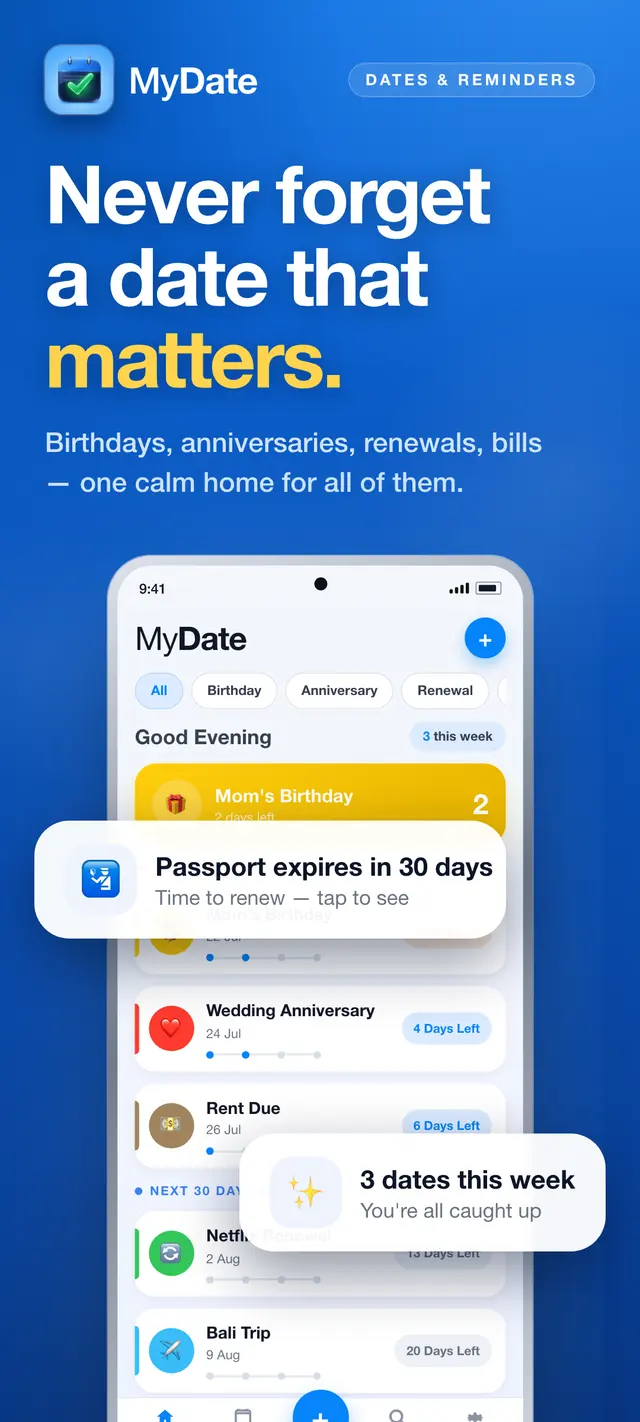
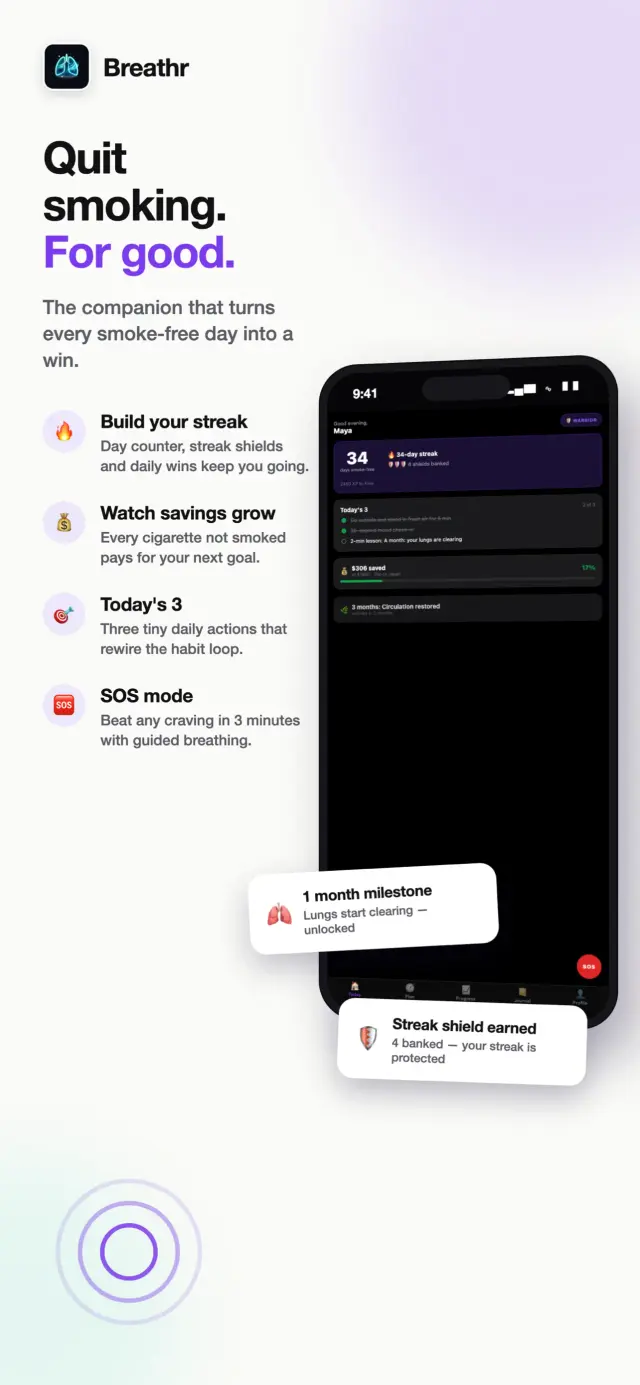
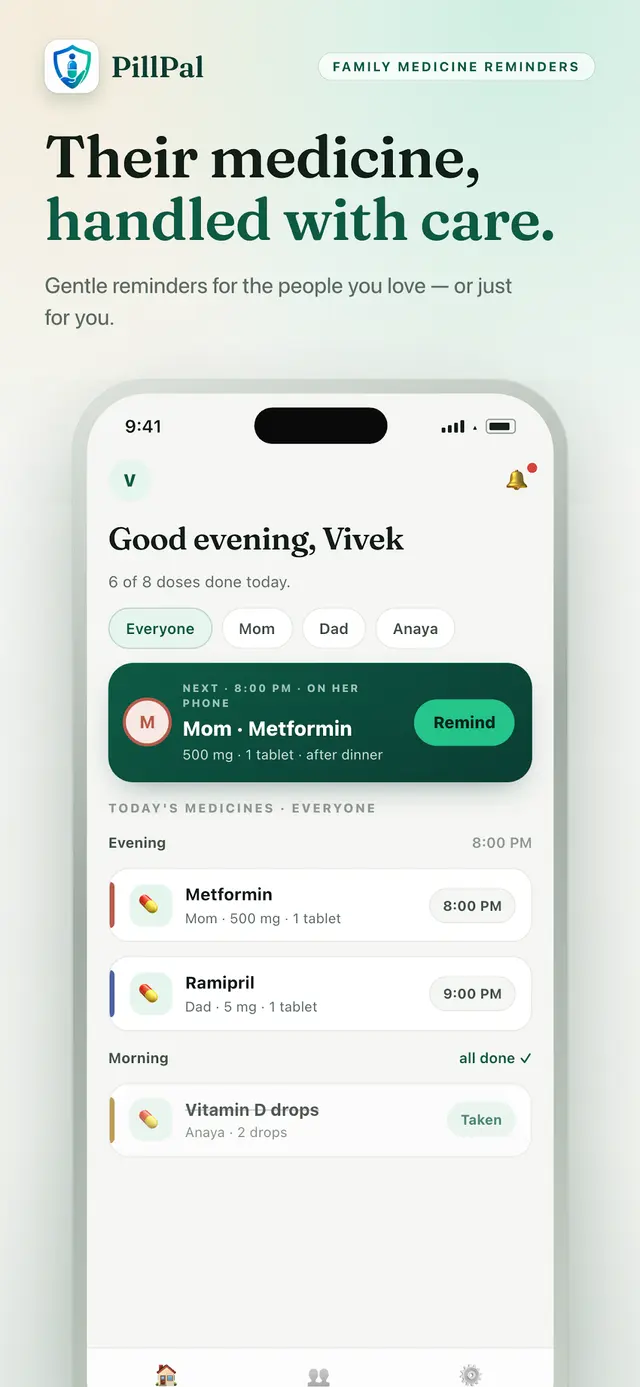
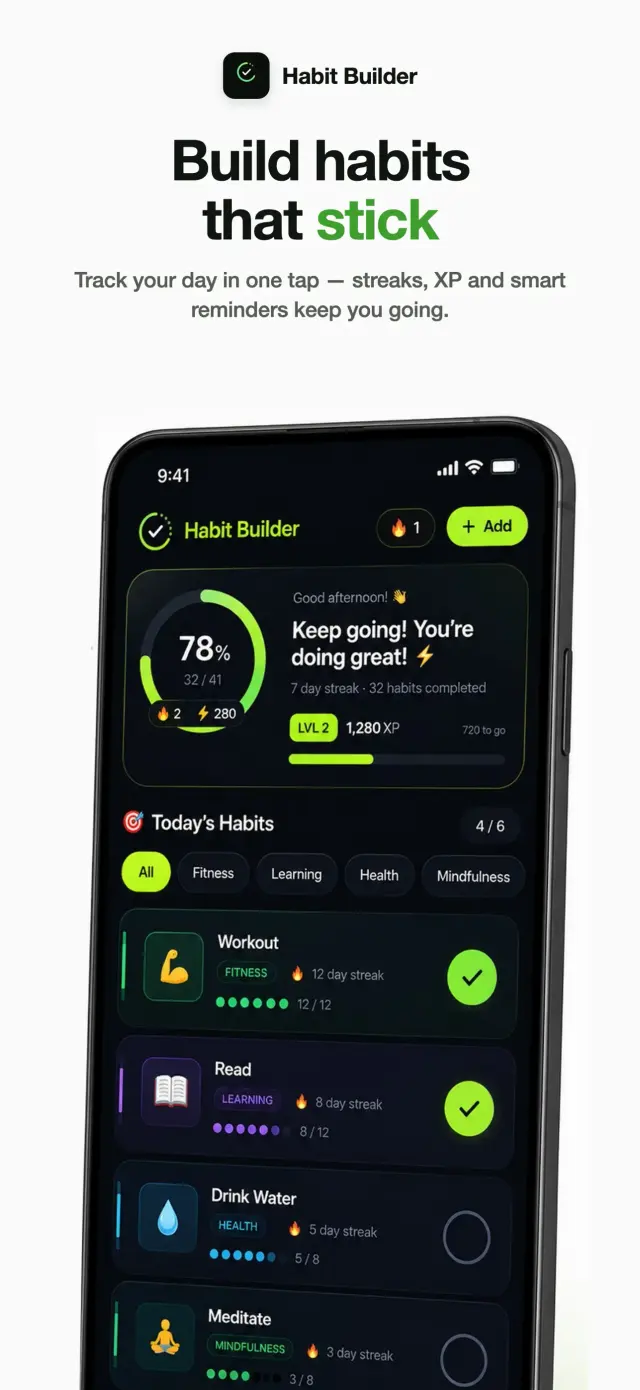
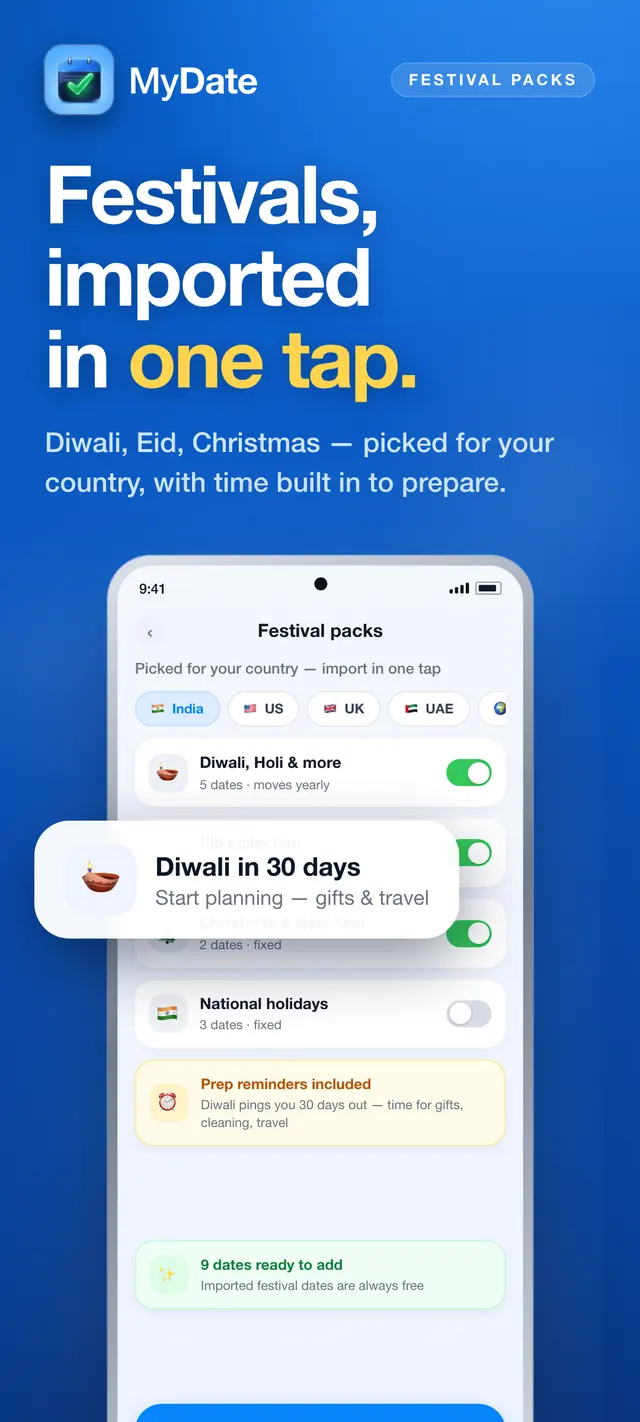
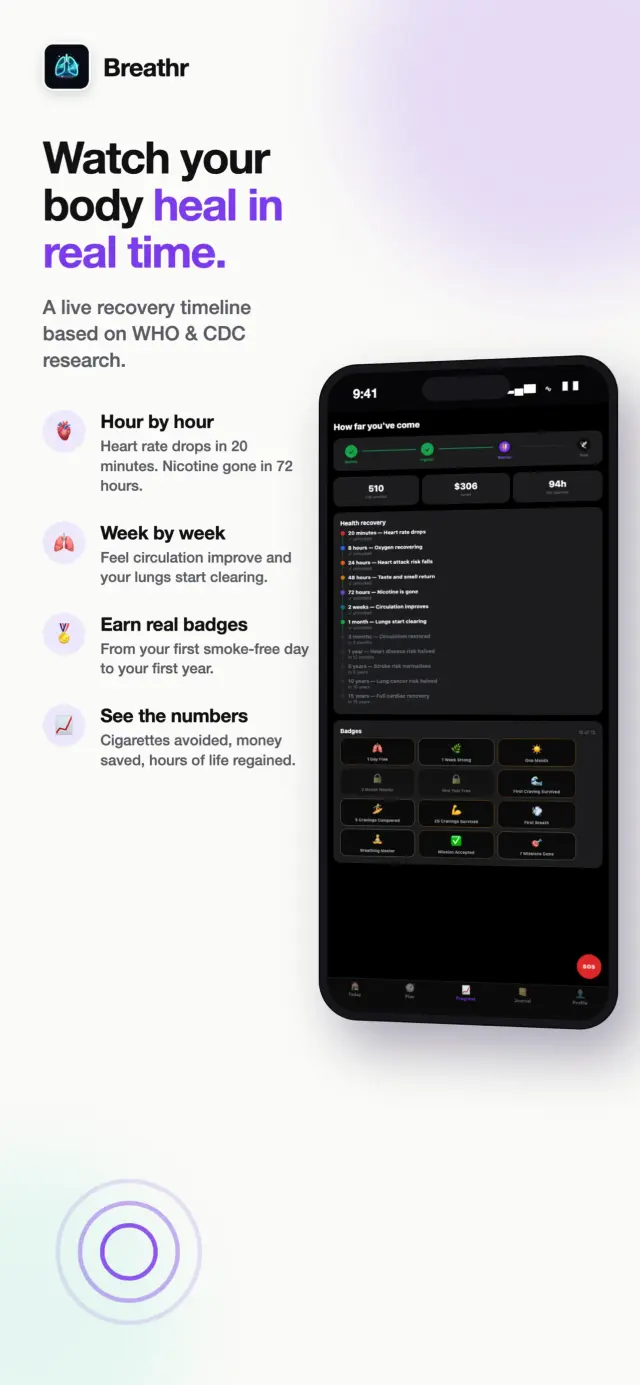
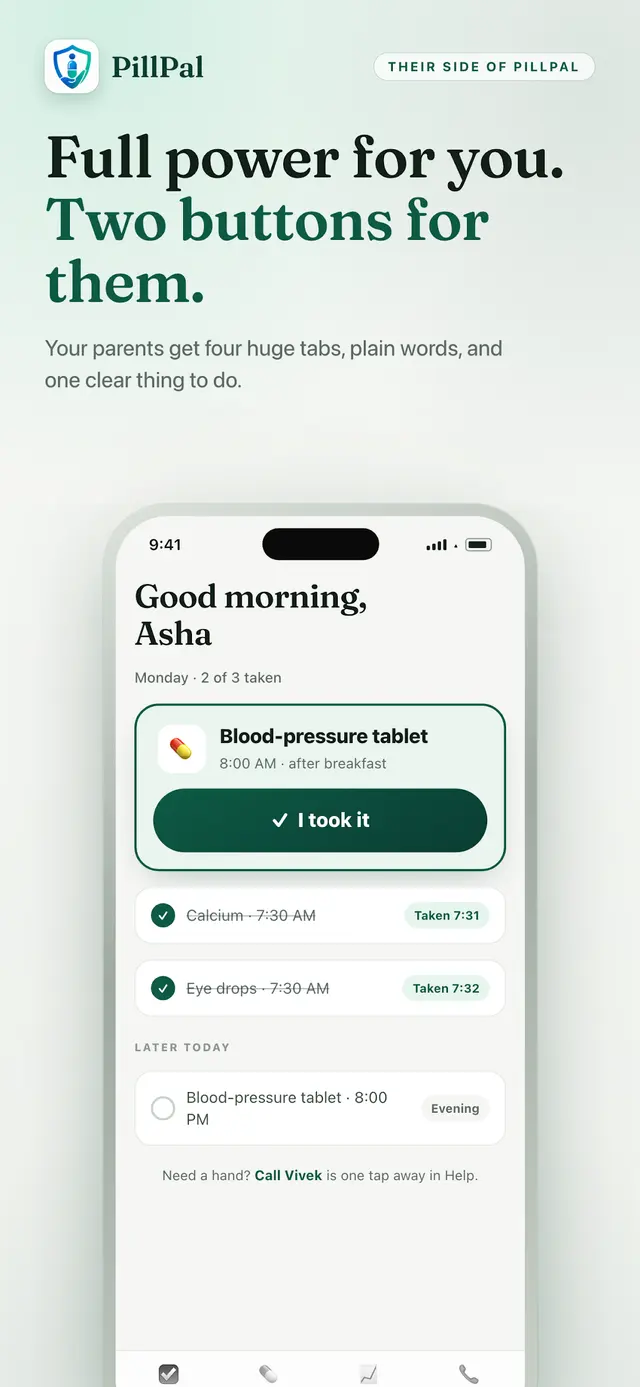
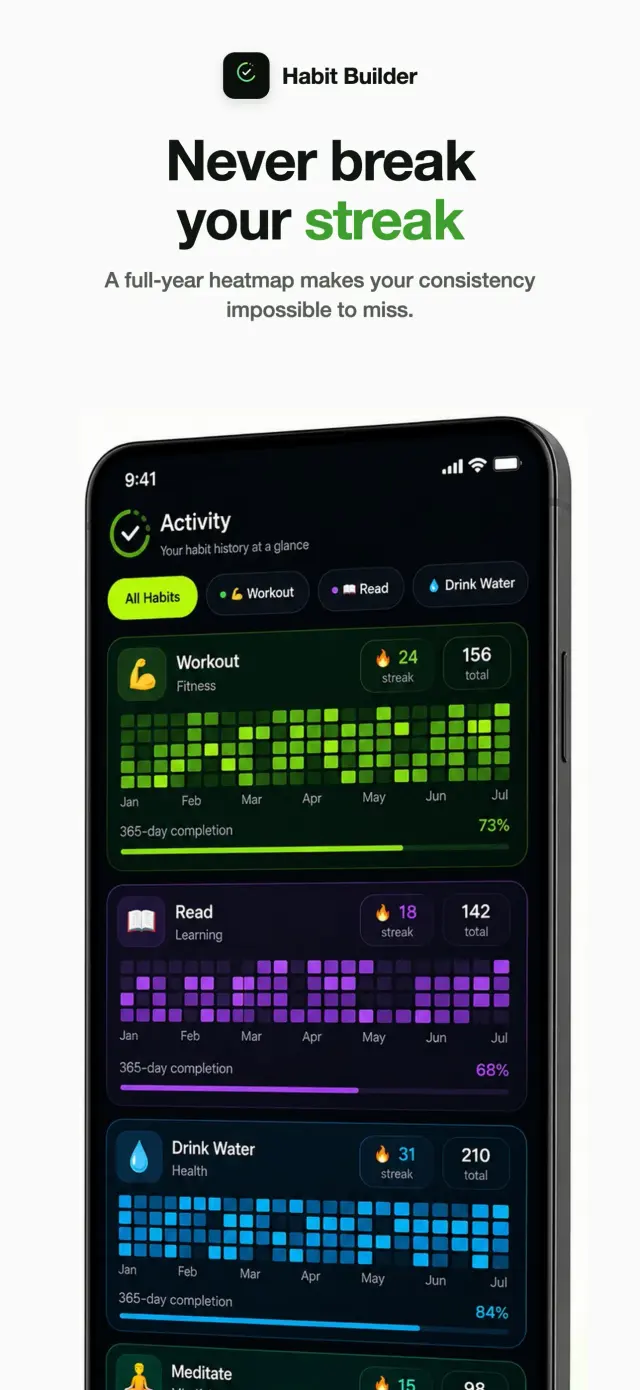
We also shipour own products.
Notes from the work.
- 01Model engineering
Retrieval or fine-tuning? Start with the problem.
Two different tools, and the questions that help you choose.
- 02System design
What makes an AI agent a useful system?
Tools, decisions, and the workflow around the model.
- 03Infrastructure
Is it time to buy your own GPU for LLMs?
When owned capacity beats a metered API, and when it doesn’t.
Tell us aboutthe work.
A workflow that takes too long, a model that keeps missing, a product that needs its next version. Write to us and we reply within a working day.
Discuss your use case ↗hello@nftatoms.com